

Rosin is used in bongs, joints, and blunts, but it is very popular among veteran users who like their dabbing. They use heat and pressure to produce this highly concentrated extract. It can add experience to smoking, vaping, cooking, or other forms of consumption. People use it for dabbing or vaping, or add it to the dry leaf in their joints. It can be added to recipes and beverages, but most people administer the oil sublingually.
Budder is a type of cannabis concentrate known for its buttery consistency, resembling actual butter. The dabbing process involves heating a nail, applying a small amount of wax, and inhaling the vapor produced. The process involves agitating the solution during extraction to create a whipped consistency, which results in its unique texture.
Most people use live resin for dabbing to fully appreciate the terpene-rich experience. The labor-intensive process affects pricing, making live resin more expensive than basic options. The wet, sauce-like consistency sets it apart from other concentrates. Live resin has a sticky, saucy texture with vibrant colors that catch your eye immediately.
weed by post : Address
Distillate and THC crystalline products are among the strongest cannabis concentrates, often exceeding 85 percent THC. As legalization continues to expand across the United States, cannabis concentrates will likely remain a major segment of the industry. New users may prefer lower potency concentrate options such as hash or rosin. A concentrate isolates cannabinoids and terpenes, making it more potent per gram.

Traditionally, it was produced by physically separating trichomes from plant material and compressing them into blocks or balls. This concentrate has a terpene-rich liquid base with THCA crystalline structures suspended throughout, produced using solvent-based extraction. It is produced by purging the cannabis extracts at weed by post low temperatures for a long time, resulting in a distinctively dry, crumbly texture. It is produced using hydrocarbon solvents from high quality cannabis plant material. That may not matter to some, but it’s important for people turning to THC for medicinal purposes or who may not feel comfortable with certain stigmas of smoking. An important side note regarding cannabis concentrates is that the end result of a product is also determined by the time in which the residual solvent from the initial extraction process is purged out in a vacuum oven.
A dab is a common name used to categorize many cannabis concentrates that require a dab or oil rig to smoke it. From kief to oils, hashish to shatter, it can be overwhelming to consider trying them, or how to smoke concentrates when you aren’t even sure which is which. Hash oil is a type of cannabis concentrate that has the consistency of jelly or very thick oil. Wax is a form of cannabis concentrate made through extraction that provides up to three times the potency of cannabis flower. Here are the most common and best-selling forms of cannabis concentrates you’ll find at your local dispensary. Dabbing is a method of consuming cannabis concentrates that requires the use of a special pipe, bong, or pen designed specifically for use with concentrates.
At the ‘highest’ level of THC potency are cannabis concentrates. By remembering “low and slow,” consumers raise the chances of their experience being a positive, rather than an uncomfortable one. While dabbing wax or shatter produces a high in a matter of minutes, drinking a kief-infused cup of hot chocolate could take an hour or more to generate effects. The important thing for consumers to remember with marijuana concentrates is to start low and slow.
Liquid cannabis concentrates, such as oils and tinctures, offer convenient dosing options for both medical and recreational users. These concentrates differ in consistency, with oils being liquid and waxes having a semi-solid texture. Dry herb vaporizers and live resin cartridges create the closest experience to smoking flower, preserving the full spectrum of cannabinoids and terpenes that traditional oil vapes often strip away. After a quick liquid nitrogen bath, live kief is extracted through agitation. However, all medical and legal solvent-based cannabis concentrates produced are purged and tested extensively to ensure residual levels are in accordance with local regulations (usually in PPM).
The future of cannabis concentrates
You agree that all agreements, notices, disclosures, and other communications that we provide to you electronically satisfy any legal requirement that such communications be in writing. (c) any action taken in connection with an investigation by PharmaCann Parties or law enforcement authorities regarding your access to or use of the Service; (h) whether your access to the Service will be uninterrupted, timely, secure or error-free; You agree that as to the Wireless Features for which you are registered, we may send communications to your wireless Device regarding us or other parties. By accessing and/or using the Service, you agree to be bound by these Terms. If you want to access or use the Service, then carefully read these entire Terms (including all links to details), as they constitute a written agreement between you and us and they affect your legal rights and obligations.
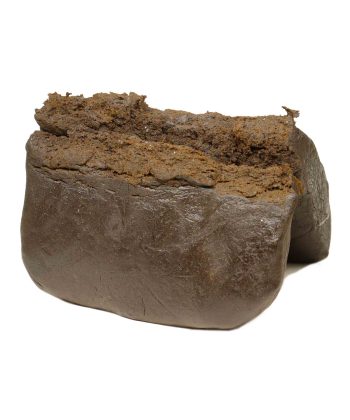
It’s important to avoid grinding moon rocks in a dry herb grinder, as this will result in loss of the kief. Specifically, moon rocks involve dipping a marijuana bud into BHO before rolling it in kief. This involves heating it – many people simply spread it on an oven-safe dish or baking sheet and put it in a 250-degree (F) oven for about 20 minutes. In order to activate the cannabinoids and enjoy their effects, however, it’s important to decarboxylate the kief first. The consumption of kief or compressed hashish doesn’t involve any specialized equipment. This process freezes the trichomes and breaks them off of the plant material, and it’s how bubble hash is made.